In Arizona (and everywhere), water is life.
On drought, the Indigenous history beneath Arizona’s canals, and what it means to treat flood irrigation water as a stewardship.
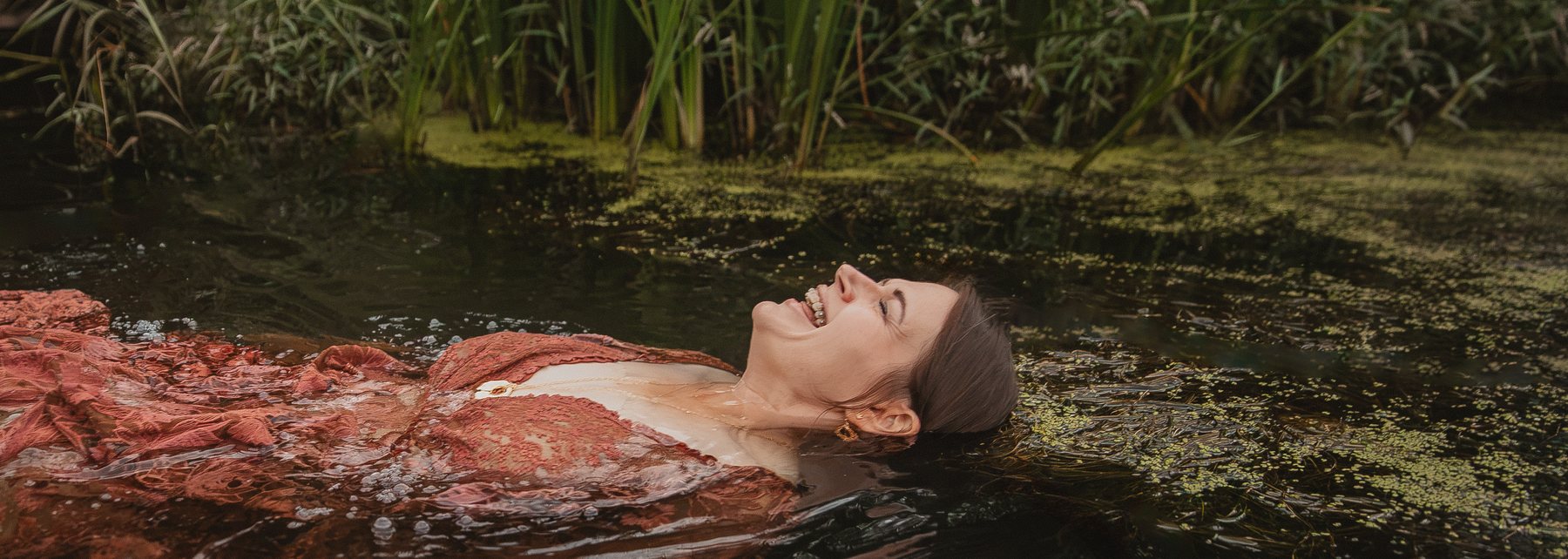
I’m a millennial who came of age during the start of this region’s megadrought. I learned “Water: Use it Wisely” at school and have never forgotten that lesson. Like many Arizonans, I have concerns about the future of our state’s water security. Our lives in the desert depend on access to water.
And although my own family has lived in Arizona for 5 generations, I’m always mindful of the centuries of families who lived here long before me. I live and work on land culturally affiliated with the O’odham, the Piipaash, and their ancestors. These are the people who first moved water across this valley, and whose canal alignments much of our modern system still follows. Their descendants, my neighbors, are the Salt River Pima-Maricopa Indian Community, the Gila River Indian Community, the Ak-Chin Indian Community, and the Tohono O’odham Nation. In real estate school we learn “first in time, first in right.” I have never been able to repeat that phrase without noticing who was actually first here.
I have never been able to repeat that phrase without noticing who was actually first here.
I benefit from water my family did not find and a system my ancestors did not build, and I don’t pretend to have resolved that. What I can do is use what reaches my yard for food, shade, and community rather than for lawn.
I have dedicated the better part of a decade to studying flood irrigation. I believe it is my duty to educate Arizonans on the highest and best use of this most precious resource. I take this stewardship seriously.
I am committed to supporting local causes, businesses, and organizations that make Arizona a place my family can thrive for many generations to come. 

Camille Fairbanks, eXp Realty and native Arizonan, is a GREEN Certified REALTOR® and flood irrigation specialist. She is delighted to serve home buyers and sellers in Mesa, Tempe, Scottsdale, Phoenix, Chandler, Gilbert, Queen Creek, San Tan Valley, and beyond. She helps Arizonans understand the true value of flood irrigation, water rights, and mature fruit trees. Aside from real estate, Camille is passionate about sustainable housing, regenerative farming, urban gardening, food forests, and carne asada burritos.