Short answer: about $75–$200 a year to SRP. Not per month — per year. Here's the full breakdown.
For a typical residential Valley property, the annual cost of flood irrigation through SRP runs approximately $75 to $200 per year. That is the yearly figure — not a monthly bill. It is one of the most surprising things buyers learn about these properties.
The reason it is so affordable comes down to what you are actually paying for. You are not buying water by the gallon. Flood irrigation water rights are appurtenant to the land, so your property already has the legal right to receive the water. The annual charge covers storing that water and maintaining the century-old system of canals and laterals that delivers it.
SRP publishes its current residential irrigation charges, and rates are reviewed periodically — but the order of magnitude has stayed remarkably stable: a couple hundred dollars a year to keep a quarter-acre (or much larger) lot lush.
Ask About a Specific Property*Estimate based on 2026 Salt River Project (SRP) irrigation rate data for a typical residential Valley lot. Actual costs vary by irrigation district, lot size, delivery schedule, and usage. Provided for informational purposes only and not a guarantee of actual charges.
Most residential flood irrigation bills are built from a few simple parts. Here's what each one covers.
The annual charge for stored and developed water, billed per acre. For most residential lots this lands in the ~$75–$200/year range and pays for water storage plus canal and lateral maintenance.
Some neighborhoods have an Irrigation Water Delivery District that collectively funds maintenance of the shared private system. Where it applies, this is billed separately and can add a few hundred dollars a year.
Prefer not to flood the yard yourself? An independent commercial irrigator can place your water orders and oversee deliveries for a fee. Many neighborhoods offer this as a convenient hands-off option.
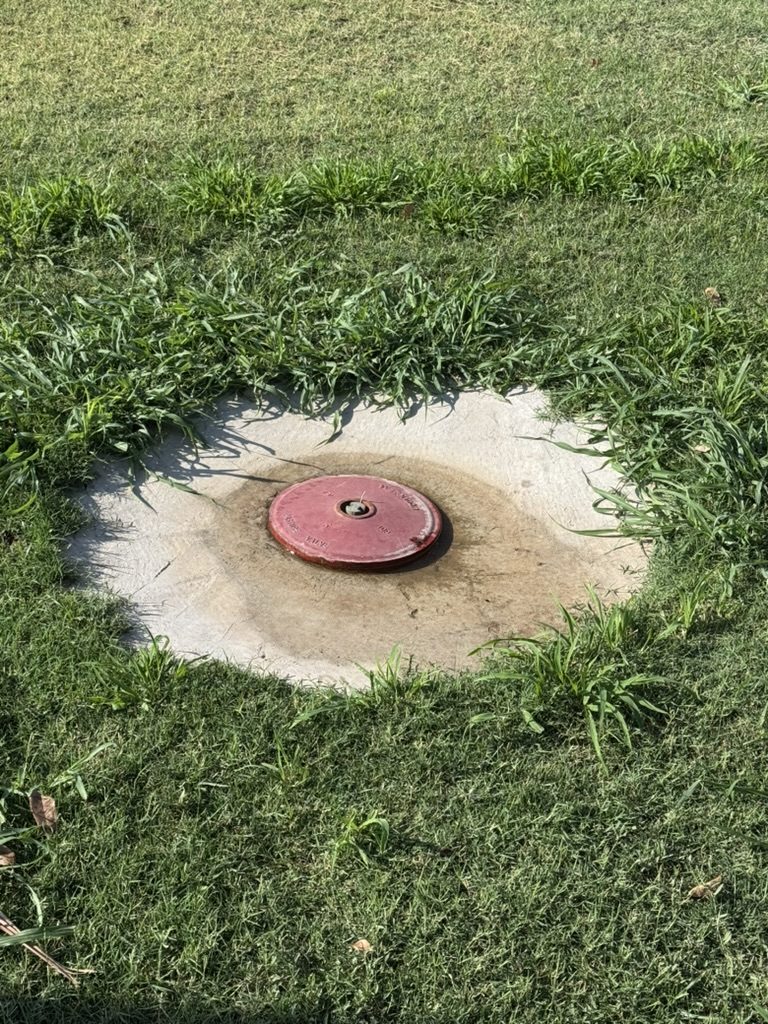
Berms, valves, gates, and standboxes need occasional maintenance. Budget for it the way you would a roof or HVAC — and always get repair bids during the inspection period before buying.
Figures are estimates for a typical residential Valley lot and vary by irrigation district, lot size, delivery schedule, and usage. Provided for informational purposes only and not a guarantee of actual charges.

The larger your yard, the more lopsided the comparison becomes. Keeping a quarter-acre or larger lot green with municipal water and sprinklers can run hundreds of dollars a month through a Phoenix summer — and that is before you account for the shallow watering that leaves tree roots close to the surface.
Flood irrigation waters that same lot deeply, all the way down, for roughly $75–$200 for the entire year. More than 25,000 homes across the Phoenix metro are served by SRP flood irrigation, and owners rarely give it up once they understand the math.
There is a quality difference too, not just a cost difference. Flood irrigation soaks 2–3 inches of water across the whole property and drives it deep, where roots grow strong. Drip and sprinkler systems simply can't replicate that — which is why flood-irrigated yards support mature citrus, shade canopy, and full food forests that would be impossible to run affordably on city water.
But Is It Wasteful? Read the Honest Answer"When I tell buyers the irrigation cost, they almost always assume I mean per month. I don't. It's per year — and it's the reason these yards can look like they belong in a different climate."— Camille Fairbanks, Flood Irrigation Specialist
How the water gets from mountain snowmelt to your backyard — the valve, the schedule, and the Zanjero.
Read the guide →
The Valley communities where you can still find flood irrigated homes — and how to spot them.
Read the guide →
Why water rights are appurtenant to the land, and exactly what to verify before you make an offer.
Read the guide →