How the System Works

From snowmelt to your backyard.

The flood irrigation system serving the Greater Phoenix Valley has been running for over 100 years. Water begins as snow in the mountains, melts into the Salt and Verde Rivers, collects in SRP-managed reservoirs, and flows through 131 miles of main canals and 1,000 miles of laterals across the Valley.

On your delivery day, an SRP employee called a Zanjero (sahn-hair'-oh) opens a gate at the top of your neighborhood's system, and water flows by gravity through ditches, pipes, and channels to your property. You open your yard valve, flood your land 2–3 inches deep, and the water soaks in within a few hours — leaving deep moisture that tree roots chase downward for weeks.

SRP manages 746 billion gallons of stored water and delivers 260 billion gallons per year. Most of that water comes from the Salt and Verde watersheds, making it more resilient to Colorado River shortage declarations than CAP-dependent water supplies.
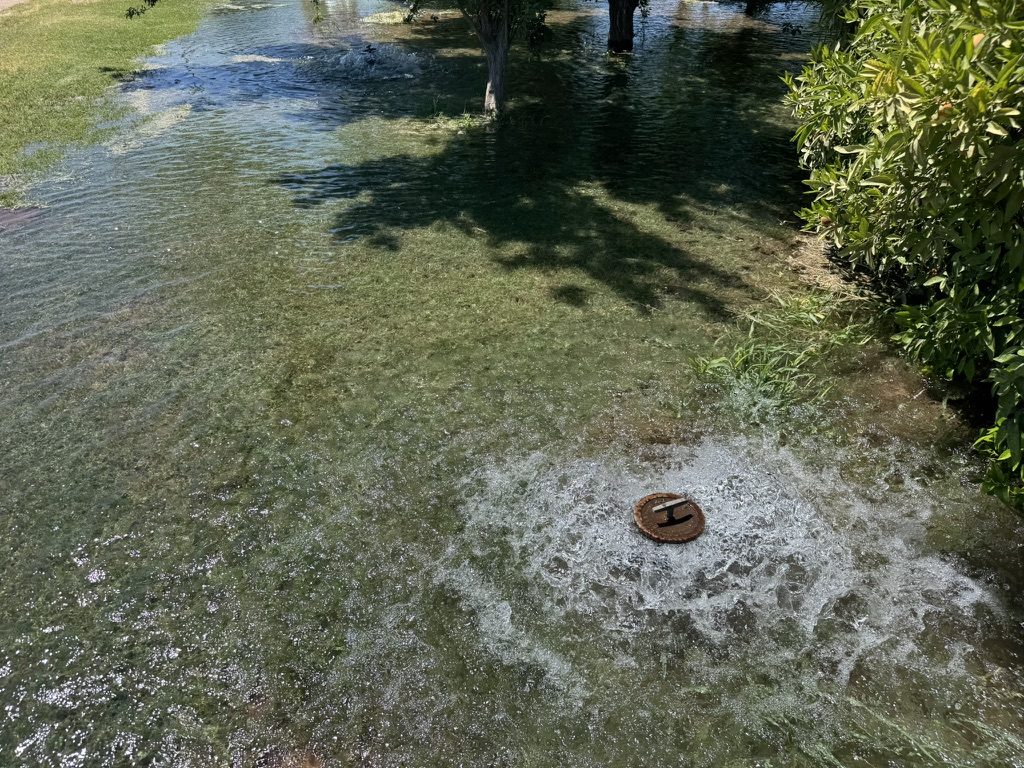
🌊 Add a canal / delivery day photo here
Delivery Schedule

When does the water come?

Summer Schedule

Every ~2 weeks

April through September. Neighborhoods receive water approximately every 14 days. Water is delivered 24 hours a day, 7 days a week including holidays.

Winter Schedule

Every ~4 weeks

October through March. Deliveries shift to approximately every 28 days — matching the reduced water needs of dormant and semi-dormant trees.

Annual Dry-Up

~6 weeks in winter

Each year, canals close for maintenance and no deliveries are scheduled. This typically happens January–February and aligns beautifully with the dormancy period of deciduous trees in Zone 9b. The desert knew what it was doing.

Annual Cost

$75–$200/year

The annual basic charge and fees pay for water storage and system maintenance. You are not paying per delivery — you are paying to keep your account active. Cost varies by district.

Water Rights in Arizona

Why water rights matter more than most buyers realize.

In Arizona, flood irrigation water rights are generally appurtenant to the land — a legal term meaning they belong to the property, not the person. When a flood irrigated property sells, the water rights typically transfer with the sale automatically.

This means you are not purchasing water on a per-delivery basis. You are purchasing land that has the legal right to receive it.

Even if a previous owner stopped using their irrigation — paved the yard, filled it with gravel, or simply never activated the account — the water right typically remains with the parcel and can often be reinstated. (Depending on the condition of the infrastructure, reinstating a dormant system may require some investment — which is exactly why getting bids during the inspection period is critical.)

What about drought and the Colorado River?

Most flood irrigation in the Greater Phoenix area — including properties served by SRP — draws from the Salt and Verde River watersheds, not the Colorado River. The shortage declarations affecting CAP water supplies do not impact SRP-served residential flood irrigation in the same way. That said, no water source in the desert Southwest is immune to long-term climate pressures, and conservation matters.

"First in time, first in right — Arizona's water law prioritizes the oldest appropriators. The SRP system has been delivering water to these neighborhoods since the early 1900s, making flood irrigation water rights among the most senior and secure in the state."
— Camille Fairbanks, Flood Irrigation Specialist
💧 Add a water rights / canal photo here
Zone 9b Growing Potential

What flood irrigation makes possible in the Phoenix low desert.

USDA Hardiness Zone 9b is one of the most productive growing zones in North America. Paired with the deep, thorough watering of flood irrigation, it becomes something extraordinary.

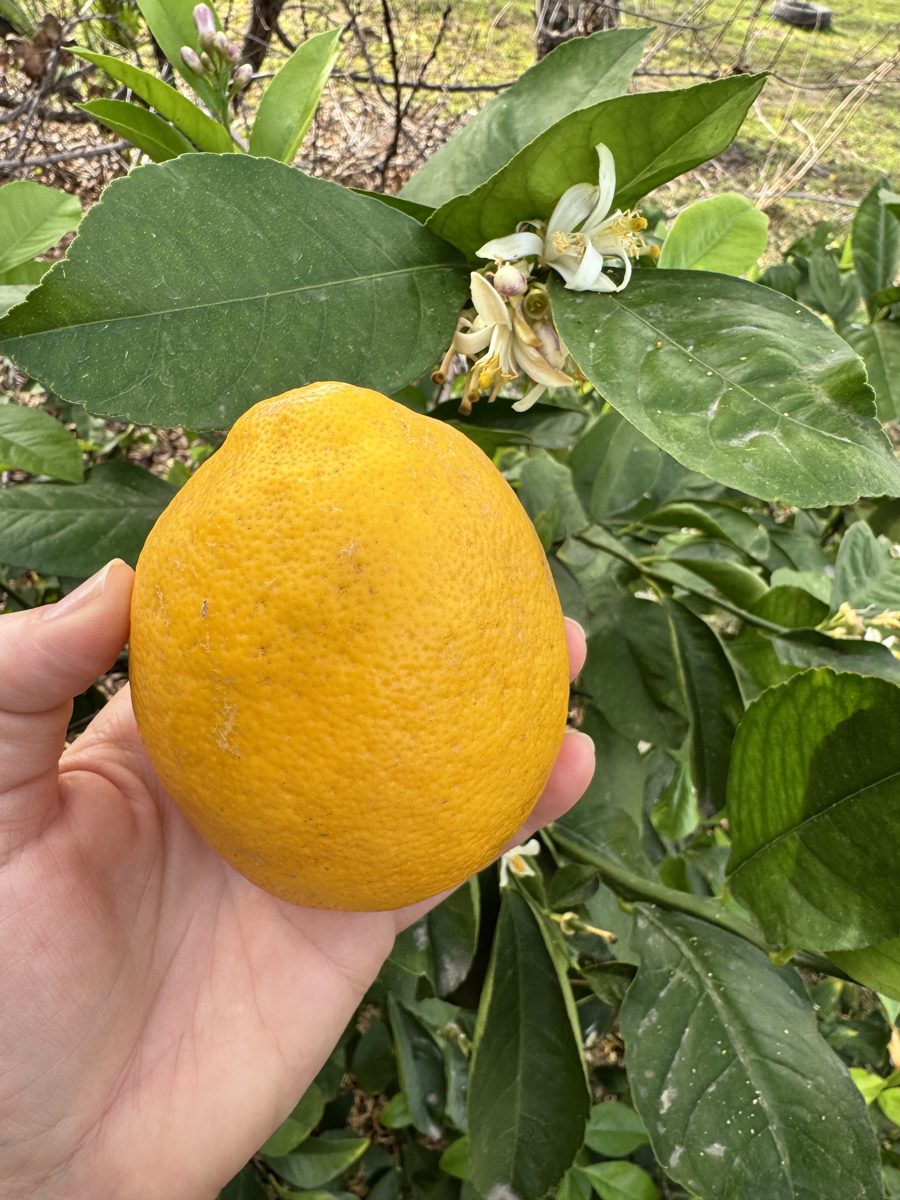
🍊Citrus photo
Citrus

Oranges, Lemons & Limes

Naval oranges, Arizona Sweet, Cara Cara, Meyer lemon, Lisbon, Eureka — citrus thrives in Zone 9b and produces abundantly on flood irrigation.

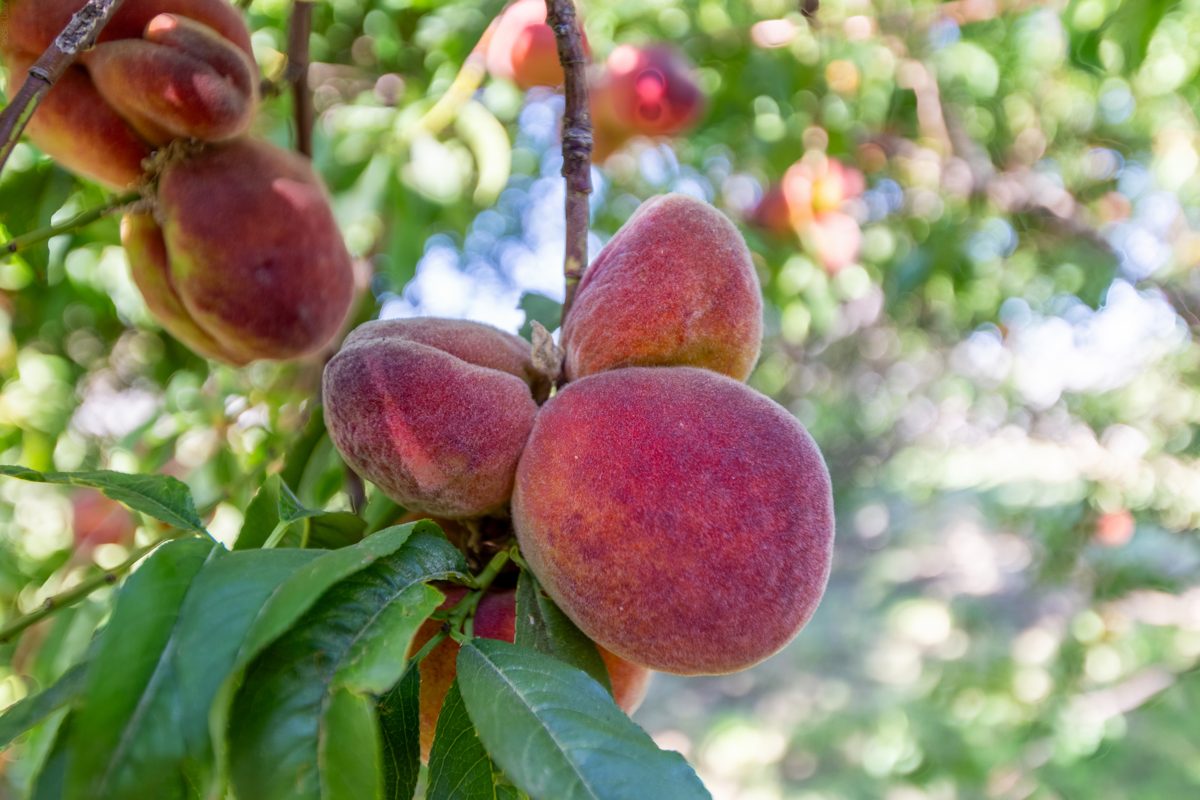
🍑Stone fruit photo
Stone Fruit

Peaches, Apricots & Plums

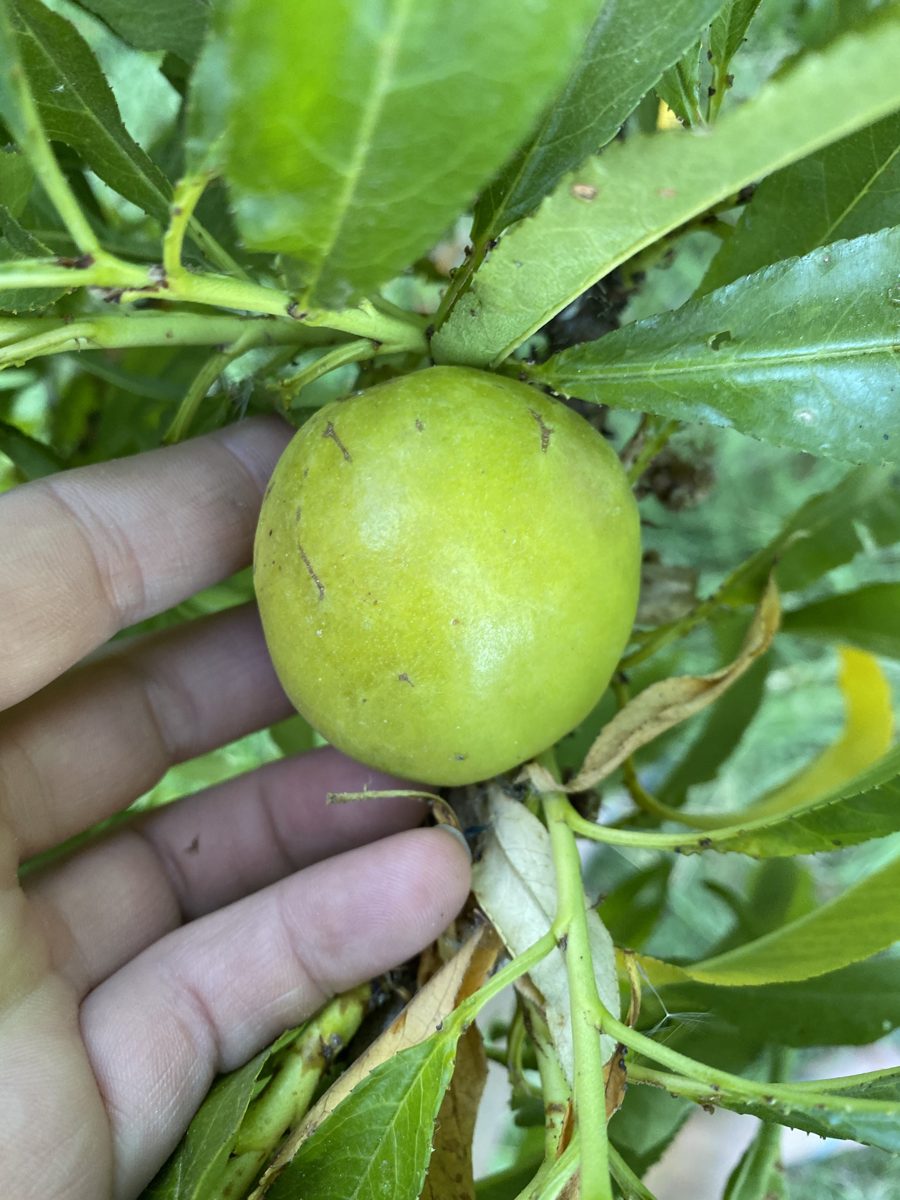
Desert Gold peach, Katy apricot, Santa Rosa plum — low-chill stone fruit varieties ripen early and prolifically in the Valley with the right watering.

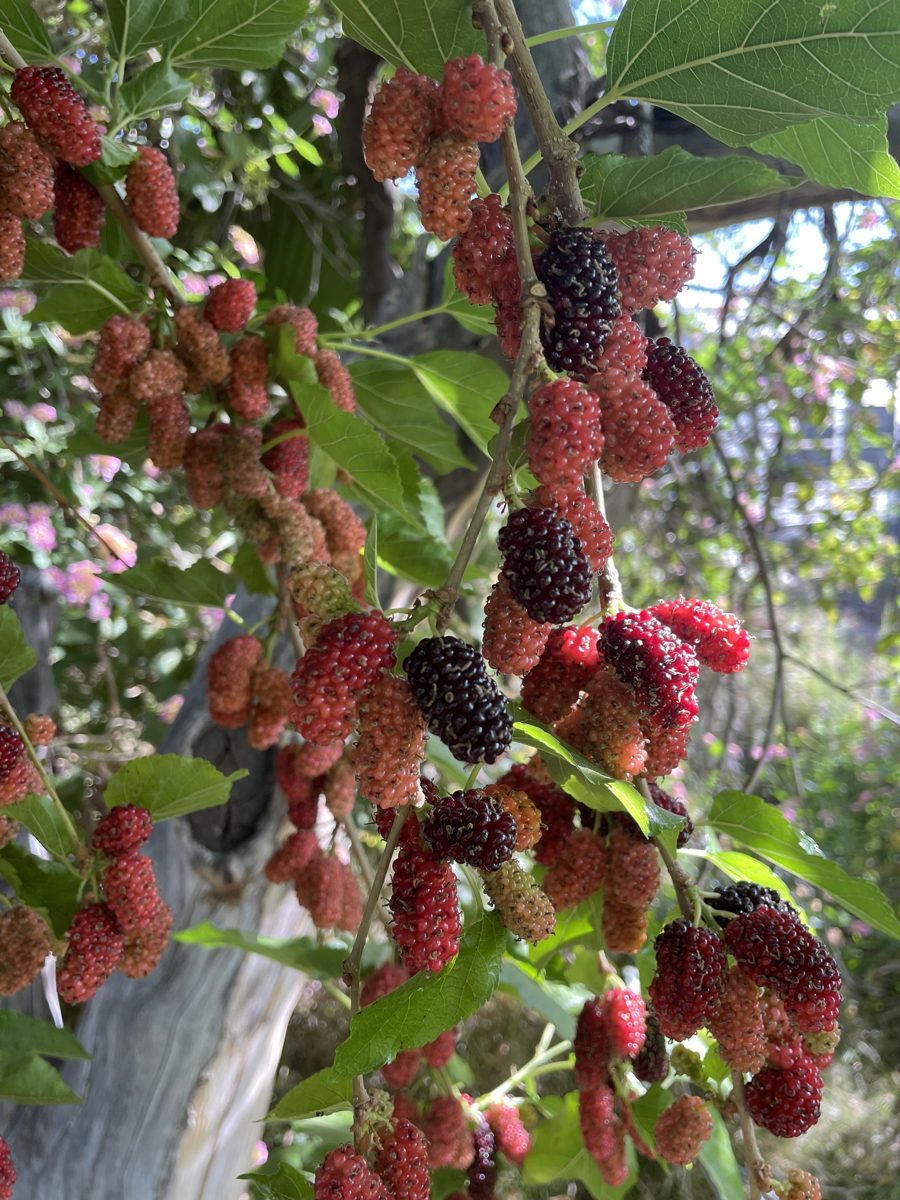
🫐Mulberry photo
Figs & Mulberries

Pakistan Mulberry & Figs

Pakistan mulberry produces enormous, sweet fruit. Figs of nearly any variety thrive here and are among the easiest trees to grow on flood irrigation.

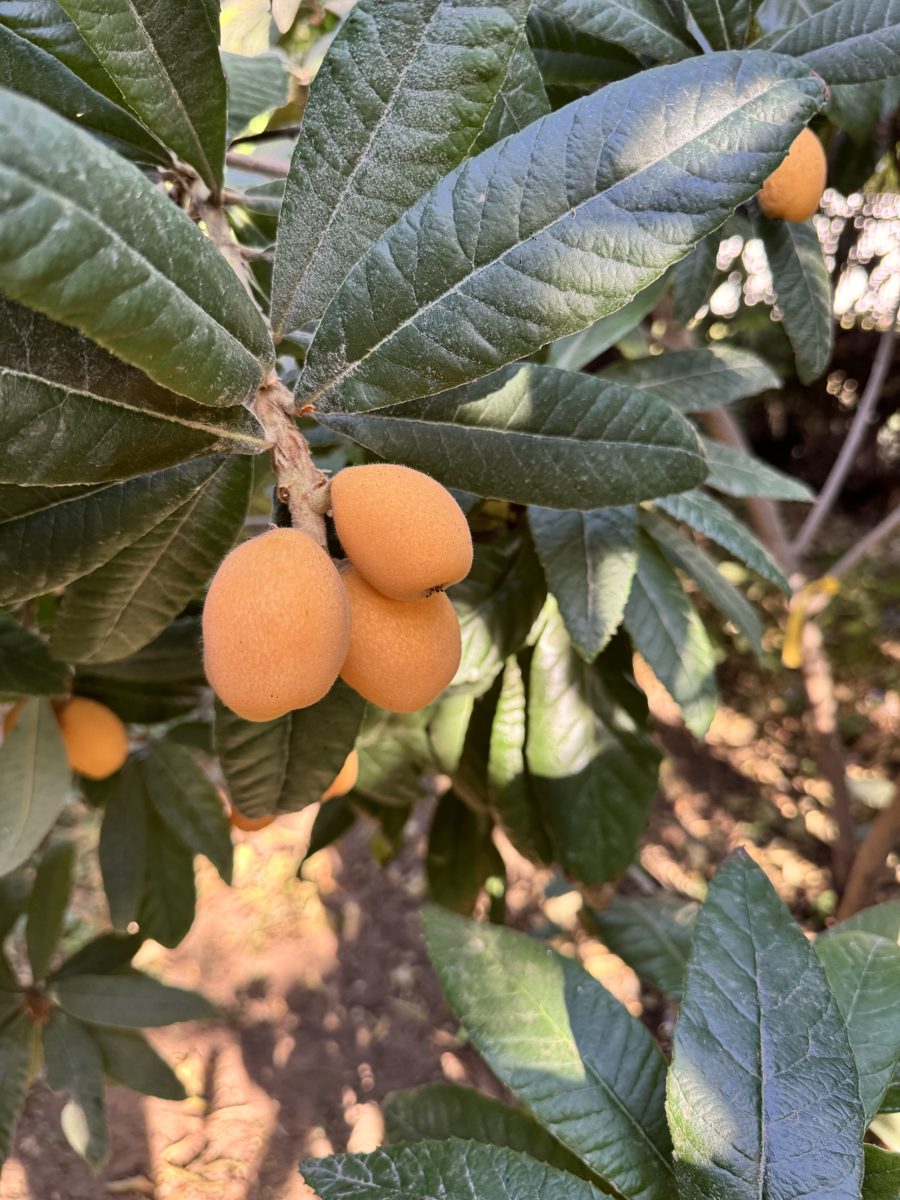
🌿Subtropical photo
Subtropicals

Loquats, Guava & More

Champagne loquat, guava, pomegranate, and more — Zone 9b supports a surprising range of subtropical fruit that most of the country can only grow in a greenhouse.

Glossary

Terms you'll encounter in flood irrigation real estate.

Pronounced sahn-hair'-oh. A Spanish term meaning "ditch-rider." SRP Zanjeros are field employees who control and measure irrigation flows within the SRP water distribution system. On delivery day, the Zanjero opens your neighborhood's gate.
Water rights that are attached to and travel with a specific parcel of land. In Arizona, flood irrigation water rights are generally appurtenant — meaning they transfer to the new owner automatically at the time of sale.
A county special taxing district that provides a mechanism for neighbors to collectively fund maintenance and repairs to their shared private irrigation system. Neighborhoods with an active IWDD tend to have more organized, better-maintained irrigation systems.
A dirt ridge that encircles a flood-irrigated property to hold water on the land during delivery. Properly built berms are 12–18 inches wide and 3 inches higher than the maximum amount of water the property will hold. Berm condition is one of the most important things to inspect before purchase.
A sequence of numbers identifying the delivery path of your water. The first number refers to the main canal, the second to the lateral, and the third to your specific delivery gate. Every irrigation property has a unique C-L-G identifier.
A volunteer in a flood-irrigated neighborhood who serves as a liaison between SRP and the neighborhood. The Key Homeowner helps communicate water delivery updates and is often the most knowledgeable person about how the local system works.
The annual period during fall and winter when SRP closes sections of the canal system for maintenance. No deliveries are scheduled during this time — typically about 6 weeks in January and February. The timing aligns naturally with the dormancy period of deciduous trees.
Where to Find Flood Irrigation

Flood irrigated neighborhoods across the Greater Phoenix Valley.

Arcadia (Phoenix)
Tempe
North Mesa
Central Mesa
East Mesa
Chandler
Gilbert
Queen Creek
Buckeye
Laveen
Ahwatukee
Glendale
Peoria
Surprise

Flood irrigation is not uniformly distributed within these areas. I can help you identify specific streets and properties — including those not correctly labeled in the MLS.

Frequently Asked Questions

The questions I get asked most often.

It depends on how you use it. Flood irrigation does use more water per delivery than drip irrigation — but a significant portion of that water recharges groundwater aquifers rather than evaporating. The shade canopy it supports reduces urban heat island effects, and using it to grow food locally is arguably the most efficient use of that water. Context matters.
No. Flood irrigation water soaks into the ground within a few hours — not nearly long enough for mosquitoes to complete a life cycle. This is one of the most common misconceptions about the system.
Yes. Commercial irrigators are independent contractors who place water orders, oversee deliveries, and often make repairs to private systems. Many flood-irrigated neighborhoods use a commercial irrigator as a convenient option for homeowners who prefer not to self-irrigate.
You can simply cancel your subscription with the irrigation district — you don't have to do anything destructive. The water right remains with your land. A future owner can reinstate the account, though depending on infrastructure condition, some repair work may be needed. Please don't remove or damage your irrigation infrastructure before selling — it's part of your property's value.
The water is untreated and not suitable for drinking, but for yard use it is generally safe. Standard precautions apply — keep children and pets out of actively flooding areas and away from standboxes and ditches. Uncovered standboxes should be kept covered at all times.